Archives
- 2026-10
- 2026-09
- 2026-08
- 2026-07
- 2026-06
- 2026-05
- 2026-04
- 2026-03
- 2026-02
- 2026-01
- 2025-12
- 2025-11
- 2025-10
- 2025-09
- 2025-04
- 2025-03
- 2025-02
- 2025-01
- 2024-12
- 2024-11
- 2024-10
- 2024-09
- 2024-08
- 2024-07
- 2024-06
- 2024-05
- 2024-04
- 2024-03
- 2024-02
- 2024-01
- 2023-12
- 2023-11
- 2023-10
- 2023-09
- 2023-08
- 2023-07
- 2023-06
- 2023-05
- 2023-04
- 2023-03
- 2023-02
- 2023-01
- 2022-12
- 2022-11
- 2022-10
- 2022-09
- 2022-08
- 2022-07
- 2022-06
- 2022-05
- 2022-04
- 2022-03
- 2022-02
- 2022-01
-
SCH772984 HCl: Selective ERK1/2 Inhibitor for Advanced Ca...
2025-10-02
SCH772984 HCl stands out as a potent, selective ERK1/2 inhibitor, empowering researchers to dissect MAPK pathway dysregulation in BRAF- and RAS-mutant cancer models. This article details applied workflows, troubleshooting strategies, and the compound’s unique role in overcoming resistance to targeted therapies while illuminating emerging links to telomerase regulation and DNA repair.
-
Sulfo-Cy7 NHS Ester: Advancing Mechanistic Insight and Tr...
2025-10-01
This thought-leadership article explores the transformative role of Sulfo-Cy7 NHS Ester—a sulfonated near-infrared fluorescent dye—in unraveling disease mechanisms at the interface of microbial vesicle biology and placental dysfunction. Bridging recent mechanistic discoveries with practical guidance, it positions Sulfo-Cy7 NHS Ester as a critical tool for translational researchers seeking sensitive, non-destructive imaging in complex biological systems, and offers a strategic vision for the future of in vivo bioimaging.
-
Isoprinosine and the Next Evolution in Immunomodulatory S...
2025-09-30
This article explores how Isoprinosine (inosine pranobex) can reshape immunomodulatory approaches to viral infections. We connect mechanistic insights—such as the inhibition of HHV-1 replication and immune response enhancement—to strategic priorities in translational research. Drawing on recent discoveries about herpesvirus nuclear egress and host factors like CLCC1, we provide actionable guidance for researchers aiming to bridge basic science and clinical innovation. This piece goes beyond product catalogs, offering a panoramic view of the immunotherapy landscape and highlighting Isoprinosine’s distinctive promise.
-
Crizotinib Hydrochloride: Unraveling Tumor Microenvironme...
2025-09-29
Explore how Crizotinib hydrochloride, a leading ALK kinase inhibitor, is advancing cancer biology research by enabling precise dissection of tumor-stroma interactions and resistance mechanisms. This article uniquely focuses on the integration of kinase inhibition with next-generation assembloid models.
-
EZ Cap™ Human PTEN mRNA (ψUTP): Redefining Functional Res...
2025-09-28
Explore how EZ Cap™ Human PTEN mRNA (ψUTP) enables targeted, immune-evasive gene restoration to inhibit the PI3K/Akt pathway in advanced cancer models. This article offers a unique, mechanistic perspective on mRNA stability enhancement and its impact on translational cancer research.
-
Plerixafor (AMD3100): Redefining CXCR4 Antagonism in Canc...
2025-09-27
Explore how Plerixafor (AMD3100), a potent CXCR4 chemokine receptor antagonist, is revolutionizing cancer metastasis inhibition and hematopoietic stem cell mobilization. This comprehensive guide uniquely examines mechanistic nuances, translational opportunities, and the evolving landscape of CXCL12/CXCR4 axis inhibition.
-
Aprotinin (BPTI): Biophysical Insights and Next-Gen Appli...
2025-09-26
Explore the multifaceted role of aprotinin, a leading serine protease inhibitor, in surgical bleeding control and inflammation modulation. Uncover unique links between membrane biomechanics, protease signaling, and cardiovascular research for advanced scientific insight.
-
Influenza Hemagglutinin (HA) Peptide: Unraveling Precisio...
2025-09-25
Explore the unique role of the Influenza Hemagglutinin (HA) Peptide as a molecular tag in dissecting dynamic protein ubiquitination and interaction networks. This in-depth article offers advanced insights into HA tag peptide mechanisms, contrasting with standard approaches to protein detection and purification.
-
10 mM dNTP Mixture: Enabling Precision DNA Synthesis in C...
2025-09-24
Discover how the 10 mM dNTP mixture empowers advanced DNA synthesis and PCR workflows, even amid barriers to nucleic acid delivery. Explore the molecular interplay between nucleotide substrates, enzymatic function, and intracellular trafficking for superior results.
-
Clozapine N-oxide: Chemogenetic Control and Circuit Analy...
2025-09-23
-
These results show that quercetin can restore the enzyme act
2025-04-21
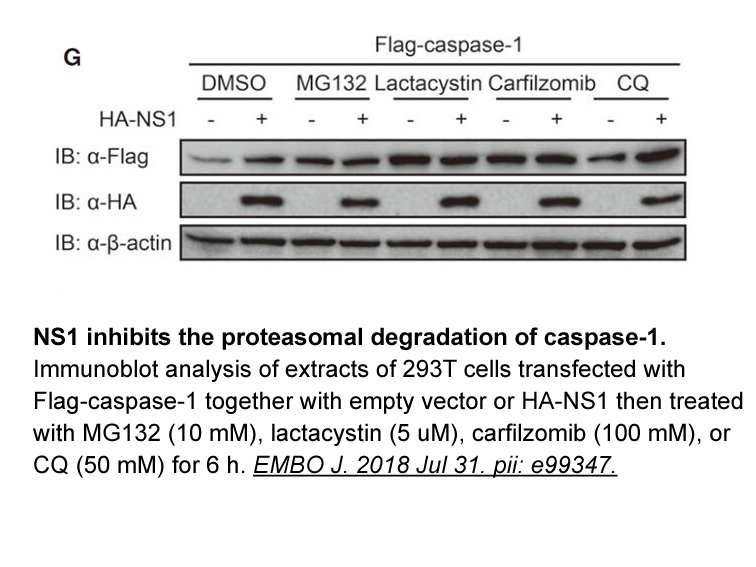
These results show that quercetin can restore the enzyme activity of the cholinergic system nonneural induced by demyelination. The AChE activity has been used as an indicator of human cell aging with lowered levels commonly associated with older human red blood Cell Counting Kit-8 (CCK-8) [51]. The
-
In the last decade the zebrafish has
2025-04-19
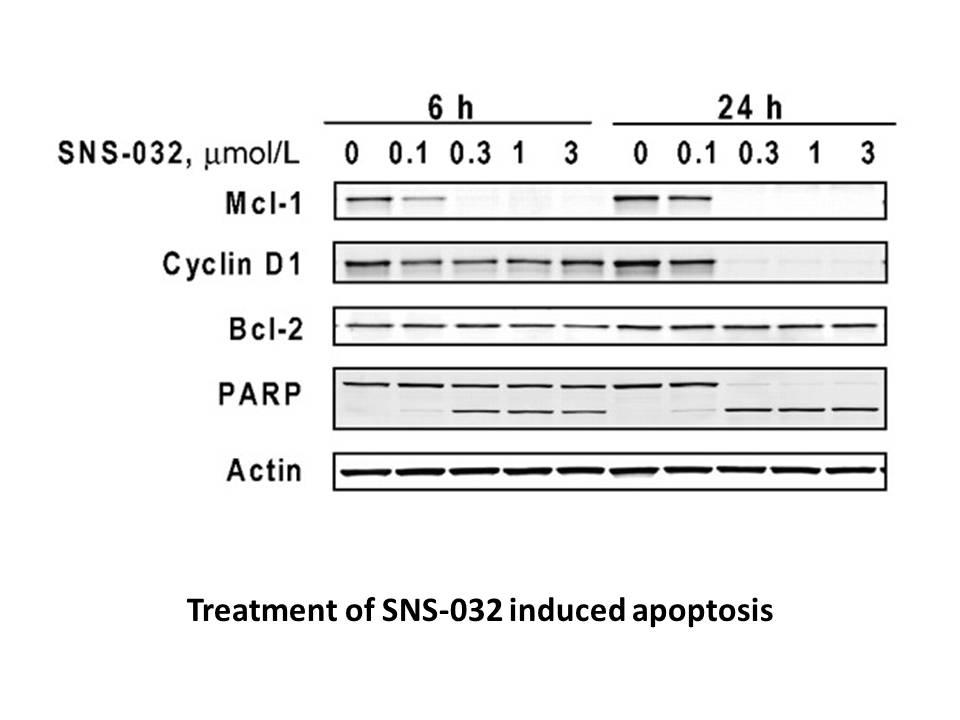
In the last decade, the zebrafish has emerged as a valuable vertebrate model to systematically dissect the genetic underpinnings of both vertebrate heart development and function [8,9], as well as distinct cardiac diseases such as congenital heart disease [10], cardiomyopathies [11,12] and cardiac a
-
br Experimental protocols br Results and
2025-04-18

Experimental protocols Results and discussion Conclusion 15-LOX-1 is an important mammalian lipoxygenase which plays an important role in the biosynthesis of leukotrienes, lipoxins and other signalling molecules. These signalling molecules play a regulatory role in several respiratory disea
-
From an historical perspective ligands for GPCRs adrenaline
2025-04-16
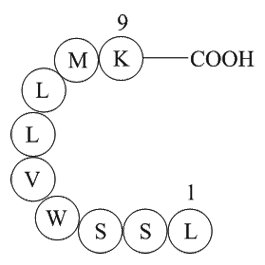
From an historical perspective, ligands for GPCRs (adrenaline, serotonin, Y-27632 dihydrochloride or morphine, to name a few) have been identified before their receptor counterparts, at a time when the concept of receptor itself was controversial [15]. Although many cognate receptors for endogenous
-
There are in contrast many
2025-04-15
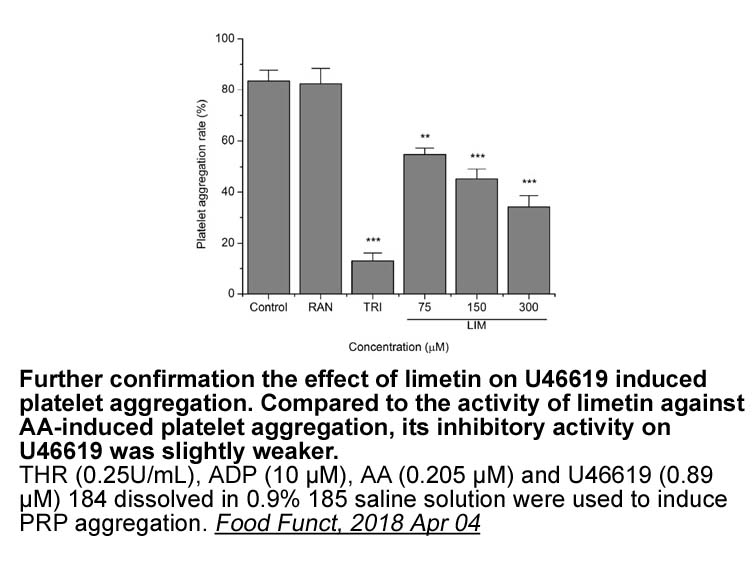
There are in contrast many studies demonstrating that sex steroids modulate Prestained Protein Marker (Triple color, EDTA free, 10-250 kDa) processing of stimuli related to reproduction and this correlates with the observation that steroid receptors and aromatase are expressed in many brain nuclei
8213 records 39/548 page Previous Next First page 上5页 3637383940 下5页 Last page